
 Meet Dr. Leffler
 Meet the Team
 Dental Membership Plan
 Insurance Information
 Patient Forms
 Online Bill Pay
 Your First Visit
You’re not imagining it. Many adults notice their smile looks different over time, especially in photos or the mirror. Teeth can start to look shorter, flatter, or more “see-through” at the edges. At Creekside Family Dental, we see this concern often, and we take it seriously because tooth wear can affect comfort, function, and long-term oral health.
The most common reason is gradual tooth wear that changes the shape of your tooth structure. The good news is that you have options. With a careful exam, we can identify the cause, check for underlying issues (like grinding or acid exposure), and recommend treatment options to protect your natural teeth and prevent further damage.
What do “worn down teeth” actually look like?
When patients say their teeth look shorter, they are usually describing worn down teeth that have lost some height, edge shape, or surface texture. Sometimes it’s most noticeable on the front teeth, especially the edges where you used to see crisp lines. Other times, the back teeth look flatter, which can change your bite over time.
Common signs of wear include rounded edges, small chips, a smooth or glossy enamel surface, and sensitivity to cold. In moderate wear, you might also notice your teeth feel different when you chew, or that certain teeth seem to be “taking more force” than others.
Why do teeth wear down over time? (Most common causes)
Tooth wear is usually not one single event. It’s typically a chemical process, excessive pressure, or a combination of both happening gradually. Here are the main causes we look for during an exam.
Grinding and clenching (bruxism)
Grinding of the teeth during sleep (bruxism) is one of the most common causes of enamel wear. Many people don’t realize they do it because it happens unconsciously. A partner may hear grinding at night, or you may wake up with jaw soreness, tooth pain, a dull headache, or temperature sensitivity.
Clenching and grinding place excessive pressure on the tooth surface. Over time, this pressure can cause flattening, chips, cracks, and loss of tooth substance. Left unaddressed, it can also contribute to broken fillings or lead to more advanced dental care like crowns or even a root canal if a tooth becomes deeply damaged.
Acid erosion and enamel erosion from diet
Acid erosion happens when acids soften and dissolve the surface of the tooth. The enamel loss can be subtle at first, then becomes more noticeable as the enamel thins. Acidic drinks and foods are common external factors, especially soft drinks, sports drinks, and frequent snacking on citrus fruits.
Even “healthy” choices can contribute depending on frequency and acid content. Sipping acidic drinks over long periods keeps the teeth in constant acid exposure. When enamel doesn’t have time to recover, dental erosion increases, and teeth can look shorter or more translucent at the edges.
Acid reflux and stomach acid exposure
Acid reflux can also play a major role in tooth erosion. When stomach acid reaches the mouth, it is much stronger than dietary acids and can cause rapid enamel loss. Conditions like gastroesophageal reflux disease (GERD) or chronic acid reflux may lead to enamel wear on specific surfaces, often on the inner sides of the teeth.
Frequent vomiting or chronic vomiting can have a similar effect, as repeated contact with stomach acid accelerates dental erosion. If we suspect reflux-related wear, we will encourage you to talk with your physician, because treating the medical conditions involved helps protect your teeth long-term.
Aggressive brushing, hard bristles, and abrasive toothpaste
Daily brushing should protect your teeth, but aggressive brushing can wear down enamel and irritate gums. Using hard bristles or abrasive toothpaste increases friction and can contribute to loss of tooth structure near the gumline or on exposed areas. This type of wear can show up as notches or “scooped” areas and may make teeth feel sensitive.
The American Dental Association recommends using a soft-bristled toothbrush and gentle technique. Small changes in how you brush can make a meaningful difference over time.
Dry mouth and tooth decay risk
Dry mouth reduces saliva, which normally helps neutralize acids and protect the tooth enamel. When saliva flow is low, acid exposure lasts longer and the risk of tooth decay increases. Dry mouth can be related to medications, stress, or other health factors, and it often makes enamel erosion worse.
Is tooth wear normal aging or a sign of a problem?
Some amount of wear can happen as we age, but the amount of wear matters. When the loss of enamel and tooth structure progresses enough that you notice shorter teeth, sensitivity, or changes in how your bite feels, it’s worth evaluating. Tooth wear can also be uneven, affecting certain teeth more than others depending on your bite, habits, and enamel thickness.
At Creekside Family Dental, we believe in honest dentistry. We focus on finding the cause of tooth wear and recommending the minimum amount of care needed to protect your mouth, guided by what you want and what will keep your smile healthy.
How do we figure out the cause of tooth wear?
If you’re wondering what’s behind your tooth wear, an exam gives us the clearest answers. We look at wear patterns, how your teeth come together, and whether the wear suggests pressure (grinding) or acid erosion (diet or reflux). We may also recommend X-rays as part of a full evaluation, since wear can be accompanied by cracks, tooth decay, or older restorations that need attention.
What matters most is matching the treatment plan to the underlying cause. Protecting teeth from grinding requires a different approach than protecting teeth from acid exposure, and many people have a mix of both.
What can I do at home to prevent further damage?
Prevention is powerful when it comes to enamel wear, especially since your body cannot grow it back once it’s lost. These habits can reduce further damage and support stronger enamel:
- Limit frequent sipping of soft drinks, sports drinks, and other acidic beverages. If you do have them, drink them with meals and rinse with water afterward.
- Watch frequency with citrus fruits and vitamin C tablets, which can add to acid exposure.
- If you have reflux symptoms, talk with your physician and mention dental erosion concerns. Managing GERD helps protect your teeth.
- Use a soft-bristled brush, avoid hard bristles, and ask us about gentler brushing technique and toothpaste choices if you’ve been using abrasive toothpaste.
- Stay consistent with dental care, hygiene visits, and fluoride treatments when recommended. Fluoride acts like a shield on the enamel surface and helps strengthen weak areas.
Treatment options for worn or shorter-looking teeth
Treatment depends on your symptoms, the cause, and how much tooth structure has been lost. Some patients only need protection and monitoring. Others benefit from restoring shape and function. We will walk you through your options clearly so you can choose what fits your goals.
Custom night guard for grinding protection
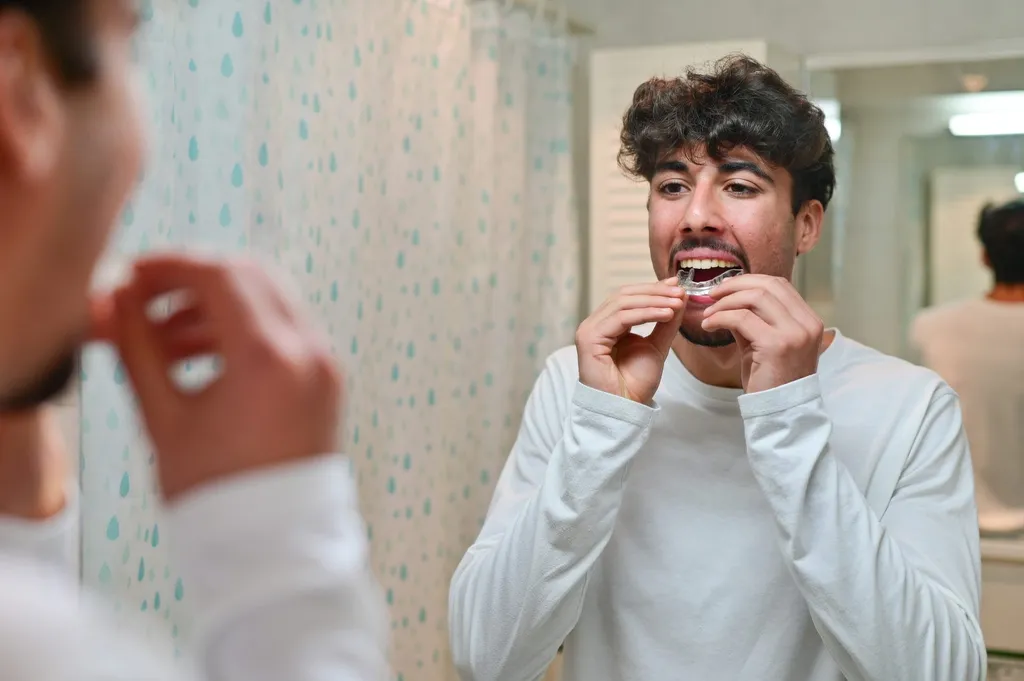
If bruxism is contributing to worn down teeth, a custom night guard is often the best way to reduce damage. At Creekside Family Dental, Dr. Will Leffler checks for signs like cracked, worn, or broken teeth and considers your symptoms too. A nightguard provides a protective layer between upper and lower teeth so they don’t grind against each other, and it adds cushioning to reduce pressure.
We create nightguards using a digital scan so your guard is personalized, slim, and designed to fit comfortably. Over-the-counter guards can be bulky and less effective because they are not customized to your bite.
Porcelain restorations to rebuild strength and shape
When there is significant loss of tooth structure, restoring the teeth can help protect them from additional breakdown and help your bite function comfortably. Porcelain restorations are a strong, natural-looking option that can be color-matched to blend with natural teeth and resist staining.
Depending on your situation, porcelain may be used for fillings, inlays, onlays, or dental crowns. Crowns can also be used as part of a bridge or placed over an implant for implant restoration. For patients who have experienced tooth loss from advanced breakdown, other solutions such as dental implants may be part of a broader conversation, but we always start with a careful diagnosis and conservative planning.
When should you schedule an exam?
If you notice new sensitivity, visible enamel loss, chips, flattening, or a change in how your bite feels, it’s time to come in. Tooth wear tends to progress silently, and early care helps prevent bigger problems later.
At Creekside Family Dental in Gahanna, Ohio, we take a patient-first approach. We will explain what we see, show you the signs of wear, and review treatment options like a custom night guard or porcelain restorations if they fit your needs. If you’re interested, contact us to schedule a consultation and get clear, honest guidance for protecting your smile.