
 Meet Dr. Leffler
 Meet the Team
 Dental Membership Plan
 Insurance Information
 Patient Forms
 Online Bill Pay
 Your First Visit
Dental Extractions in Gahanna, OH
When Removal Protects Long-Term Oral Health
When a severely damaged or infected tooth cannot be restored predictably, a dental extraction may be the safest option to protect surrounding structures and support overall oral health. At Creekside Family Dental, removal is recommended only when other treatment options, such as fillings, crowns, or root canal therapy, are no longer viable.
Dr. Leffler approaches each case with a clear treatment plan focused on comfort, safety, and long-term stability.
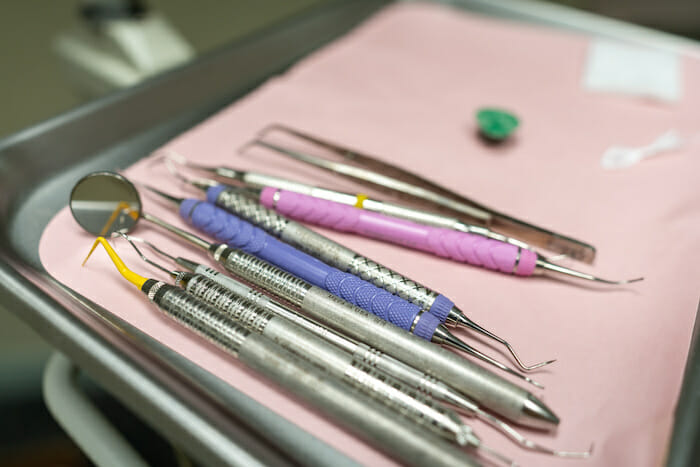
What Is a Dental Extraction?
A dental extraction is a controlled surgical procedure in which an affected tooth is removed from its tooth socket in the jawbone. The goal is to eliminate infection, relieve pain, and reduce the risk of complications that may affect nearby teeth or bone.
Most procedures are completed under local anesthesia to ensure comfort, with careful technique used to protect surrounding structures.
Common Reasons an Extraction Is Recommended
Removal is considered when a problematic tooth creates more risk than benefit. Dr. Leffler evaluates each situation carefully before recommending extraction.
Common reasons include:
- Severe decay beyond the point of repair
- Advanced gum disease affecting bone support
- Fracture below the gum line
- Impacted wisdom teeth
- An infection that cannot be stabilized
- Orthodontic crowding in complex cases
In certain situations, oral surgery may be required for safer access to the surgical site.
The Extraction Process Step by Step
The extraction process is structured to ensure predictability and patient comfort from start to finish.
This typically includes:
- Examination and digital imaging
- Administration of a local anesthetic
- Gentle loosening of the tooth
- Removal from the extraction site
- Placement of clean gauze to protect the clot
Patients may feel pressure during the procedure, but sharp pain is not expected.
Understanding Dental Extraction Procedures in Gahanna
When considering extraction dental procedures in Gahanna, OH, it is important to understand that removal is recommended only after careful evaluation. Dr. Leffler assesses the affected tooth, surrounding bone, and long-term prognosis before proceeding.
Imaging is used to evaluate root position and bone structure, particularly in more complex cases. Creekside Family Dental ensures every patient understands the full process, available treatment options, and what to expect during recovery.
Clear communication allows patients to move forward with confidence and reduces uncertainty before treatment.
Simple and Surgical Extraction Approaches
A simple extraction is performed when the tooth is visible above the gum line and can be removed without surgical access.
A surgical procedure is required when the tooth is impacted, fractured below the surface, or difficult to access. In these cases, Dr. Leffler may make a small incision or section the tooth to allow for controlled removal.
Each approach is selected based on safety, efficiency, and long-term outcomes.
Protecting the Extraction Site After Removal
After removal, a blood clot forms at the extraction site and plays a critical role in healing. Protecting this clot is essential for preventing complications such as dry socket.
Disrupting the clot too early can expose underlying bone and delay recovery. Creekside Family Dental provides clear aftercare guidance to help protect the surgical site.
The Healing Timeline and What to Expect
Healing begins immediately after the procedure. Most patients notice improvement within three to five days, while deeper bone healing continues over several weeks.
The recovery process varies depending on the complexity of the extraction and overall health. Dr. Leffler monitors healing progress and guides to support a smooth recovery.
Supporting Healing After Dental Extractions
The first 24 hours are especially important. A stable clot must remain in place to protect the area and support tissue repair.
To support healing:
- Use cold compresses in short intervals
- Avoid smoking or vaping
- Do not use straws
- Rinse gently with warm salt water after 24 hours
- Avoid disturbing the area
Following these steps reduces complications and supports predictable healing.
Eating Comfortably After an Extraction
During the initial healing period, diet plays an important role in protecting the extraction site.
Soft foods such as yogurt, eggs, mashed potatoes, applesauce, and warm soups are recommended. Avoid crunchy foods, seeds, spicy items, and hot liquids.
Most patients gradually return to normal eating habits within several days as comfort improves.
Handling and Disposal of Extracted Teeth
Extracted teeth are considered medical waste and are handled according to clinical safety standards. Creekside Family Dental follows strict protocols for proper disposal.
In rare cases, patients may request to keep a removed tooth. When appropriate, Dr. Leffler provides guidance on safe handling.
Planning for Tooth Replacement After Removal
When removal affects function or spacing, replacement may be recommended to maintain alignment and stability.
Options may include:
- Dental bridges
- Dental implants
- Partial dentures
In some cases, a bone graft may be recommended to preserve the socket for future implant placement. Dr. Leffler develops a treatment plan based on long-term function and aesthetics.
Replacement Options Following Extraction
Not every extracted tooth requires replacement, but when chewing or alignment is affected, treatment planning becomes important.
Dental implants provide a stable, long-term solution by replacing the root structure. Bridges and partial dentures offer alternative solutions depending on the situation.
Creekside Family Dental evaluates each case individually to determine the most appropriate approach.
Cost of Dental Extractions and Payment Planning
The cost of a dental extraction depends on the complexity of the procedure, whether surgical access is required, and if additional services such as sedation or bone grafting are needed.
Creekside Family Dental reviews insurance benefits and discusses flexible payment options so patients can plan treatment with clarity.
When to Seek Immediate Care
Certain symptoms after an extraction require prompt attention.
Contact Creekside Family Dental if you experience:
- Increasing swelling after several days
- Fever
- Persistent bleeding
- Severe throbbing pain
- Signs of infection
Early intervention helps prevent complications and supports proper healing.
Schedule Dental Extractions at Creekside Family Dental
If you are experiencing discomfort or believe a tooth may need to be removed, early evaluation helps prevent further complications.
At Creekside Family Dental, Dr. Leffler provides clear guidance, careful technique, and structured aftercare to support a smooth experience from start to finish.
Schedule your evaluation today to discuss your options and next steps.
Dental Extractions FAQs
At Creekside Family Dental, our goal is always to preserve your natural teeth whenever possible. However, there are times when removing a tooth is the best step for protecting your overall oral health. Dr. Will Leffler and our team take a conservative, patient-focused approach to extractions, making the process as comfortable as possible while guiding you through every stage of healing. Below are answers to common questions to help you feel prepared and confident.
Initial healing typically takes about 1–2 weeks, with the most noticeable improvement happening in the first several days. Complete healing of the bone and surrounding tissue takes longer, but most patients return to normal routines fairly quickly when aftercare instructions are followed.
Some light bleeding or oozing is normal for the first 24 hours. Biting gently on gauze helps control this. If bleeding continues beyond that or becomes heavy, it’s important to contact our office so we can evaluate the area.
A dry socket occurs when the protective blood clot at the extraction site becomes dislodged too soon. This can delay healing and cause discomfort. To prevent it, avoid using straws, smoking, spitting, or vigorous rinsing for the first few days after your procedure. Protecting that clot is key to proper healing.
You’ll want to stick to soft foods like yogurt, eggs, or mashed potatoes for the first couple of days. As the area heals, you can gradually return to your normal diet. Avoid hard, crunchy, or very hot foods early on to keep the site protected.
In many cases, yes. Leaving a gap can lead to shifting teeth and changes in your bite over time. Options like dental implants, bridges, or dentures can help restore both function and appearance.
Some soreness is normal, but signs of infection may include worsening pain after a few days, worsening swelling, fever, or an unpleasant taste. If something doesn’t feel right, it’s always best to reach out so we can take a closer look.
Aftercare is essential for proper healing. Follow these general guidelines:
- Keep the gauze in place as directed
- Avoid disturbing the extraction site
- Take medications as prescribed
- Gently rinse with salt water after the first 24 hours
- Maintain good oral hygiene while avoiding the area
These steps help support healing and reduce the risk of complications.
If you’ve been told you may need a tooth extraction or are experiencing discomfort, Dr. Leffler and the Creekside Family Dental team are here to help you move forward with confidence and care. Schedule an exam consultation to get started.