
 Meet Dr. Leffler
 Meet the Team
 Dental Membership Plan
 Insurance Information
 Patient Forms
 Online Bill Pay
 Your First Visit
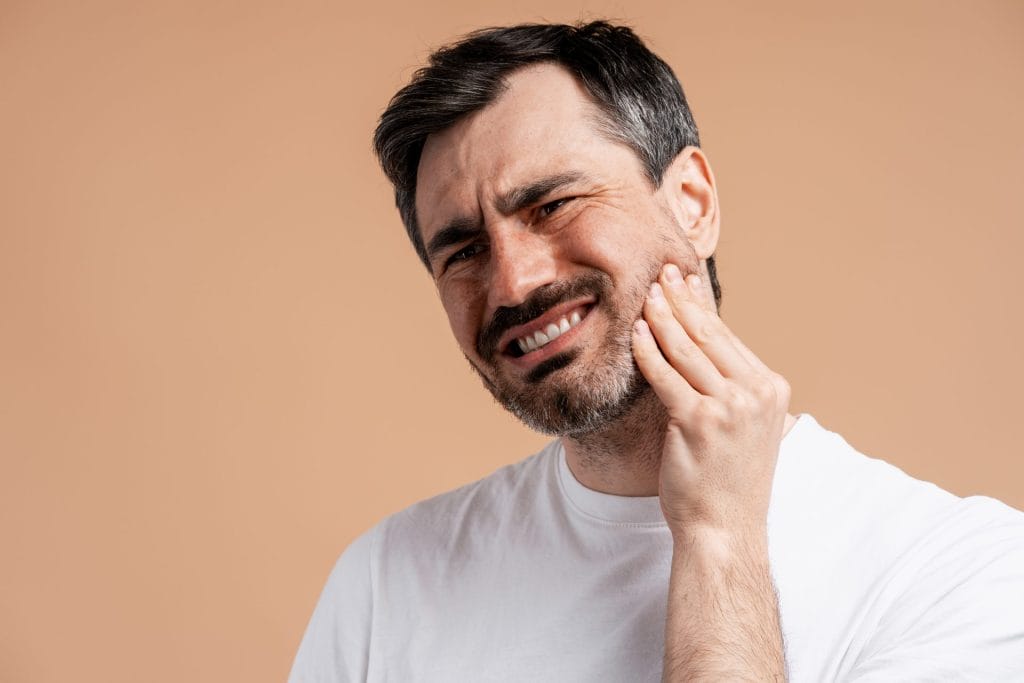
A night of snacking can change fast. One moment you’re enjoying popcorn or hard candy, and the next you feel a rough edge that wasn’t there before. A chipped tooth is common and often treatable with conservative dental care. The key is knowing what to do immediately, what warning signs to watch for, and when to schedule a dental appointment.
At Creekside Family Dental, Dr. Will Leffler and our team take a patient-first approach, focusing on clear explanations and conservative treatments to protect your long-term oral health.
First things first: stay calm and protect the tooth enamel
A chip can feel alarming, especially if it affects your front teeth. Most of the time, the outer protective layer (tooth enamel) has lost a small piece. However, enamel breaks can expose sensitive tissue or create sharp edges that irritate your tongue or cheek.
Take a moment to check for a piece of tooth in your mouth, and avoid chewing on that side. If you can safely save the fragment, place it in a clean container and bring it to your dental visit. Even if it can’t be reattached, it helps your dentist assess the damage.
What should you do immediately after a chipped tooth?
If you suspect a chipped tooth, these steps can reduce further damage while you wait to see a dentist:
- Rinse gently with warm water to clear debris and check for bleeding.
- Avoid rubbing sharp edges with your tongue to prevent soft tissue injury.
- Stick to softer foods and avoid hard or crunchy snacks.
- If the tooth feels sensitive, keep foods and drinks closer to room temperature.
- Call a dental provider for guidance, especially if the chip resulted from a hard blow or excessive pressure.
If you experience swelling, significant bleeding, or facial trauma, seek medical attention immediately. While dental care addresses tooth issues, general medical support is crucial for broader injuries.
Is a chipped tooth a dental emergency, and when should you call?
Call your dentist promptly if you feel pain, notice a crack extending down the tooth, or see bleeding at the gumline. Severe chips can expose the inner tooth structure, increasing the risk of inflammation or infection. Even if the only sign is a rough spot you feel with your tongue, discomfort or sensitivity warrants a closer look.
A good dentist will assess whether the chip is minor or requires more extensive treatment. Factors like symptoms, the tooth involved (front tooth vs. molar), and your oral health history (tooth decay, previous dental work) help determine urgency.
Why did my tooth chip on something small?
A chip can occur even when the food doesn’t seem hard. Tooth enamel may weaken over time due to enamel erosion, early decay, or old dental work that alters pressure distribution.
Common causes include:
- Chewing popcorn kernels or biting hard candy
- Sports injuries or accidental blows
- Acid reflux, which erodes enamel over time
- Tooth grinding or clenching, which puts excessive pressure on enamel
- Tooth decay that weakens the structure beneath the surface
If you’ve experienced frequent sensitivity or noticed rough edges before, share these details with your dentist to help identify the cause and prevent future damage.
What will the dentist look for during your appointment?
During your visit, the dentist will carefully examine the tooth to determine the severity of the damage. They’ll check if the chip is limited to the enamel or if it reaches deeper layers closer to the nerve. Your bite will also be evaluated, as even small changes in tooth shape can create contact points that increase the risk of further damage.
Questions like “Did you swallow a fragment of your tooth?” or “Are you experiencing sensitivity or pain?” help guide treatment decisions. These answers clarify whether the issue is cosmetic, structural, or indicative of a deeper problem like a cracked tooth.
Treatment options for a chipped tooth: from conservative to protective
Treatment depends on the extent of the damage and the tooth’s overall health. At Creekside Family Dental, we prioritize conservative options that restore strength and appearance without over-treating.
Common treatments include:
- Smoothing/polishing minor roughness for small chips
- Dental bonding for minor chips or slightly chipped teeth
- A dental crown for weakened or extensively damaged teeth
- Root canal therapy if the nerve is affected
In rare cases where a tooth cannot be saved, replacement options like dental implants may be considered. However, most chipped-tooth situations can be resolved without extraction.
Dental bonding for small chips and cosmetic touch-ups
Dental bonding is an excellent option for small chips when the tooth is stable, and the main concern is appearance or function. Bonding uses a tooth-colored composite resin that is shaped and polished to blend seamlessly with your natural tooth. It’s a simple, conservative procedure that also protects the chipped area from further damage.
At Creekside Family Dental, we often recommend bonding for front teeth, where aesthetics and a smooth feel are priorities. While bonding material can stain over time, strong dental hygiene and regular checkups help maintain long-term results.
When a dental crown makes more sense for a damaged tooth
A dental crown acts like a protective helmet, covering the tooth to prevent further damage and restore chewing strength. Crowns are ideal for teeth that have lost significant structure, have decay, or are part of a larger fracture.
We offer modern porcelain crowns that blend naturally with your smile. The process includes an exam, digital impressions, shaping the tooth, and placing a temporary crown while a lab creates your custom restoration. Once the permanent crown is ready, we adjust it for comfort and cement it in place.
What if I have pain, sensitivity, or swelling?
Pain or swelling may indicate that the chip has reached deeper layers or that bacteria have entered the tooth. Lingering pain, throbbing, or swelling could signal nerve involvement or a developing infection. In such cases, treatment may include steps to address the underlying issue before final restoration.
While online resources like Cleveland Clinic articles can provide general guidance, only a dentist can examine the tooth directly to determine the extent of the damage. A small chip may hide a deeper crack or weakened area that requires attention.
How to prevent another chipped tooth
Preventing future chips often involves reducing stress on enamel and maintaining good oral health. You don’t need to avoid all treats, but adopting smart habits can lower your risk:
- Avoid chewing ice and hard foods like nuts or hard candy.
- Use a mouthguard during sports to protect against injuries.
- If you grind or clench your teeth, ask about a nightguard to reduce pressure.
- Maintain strong dental hygiene and routine exams to catch early decay.
- Manage acid reflux with your physician to protect enamel from erosion.
These steps help preserve your enamel and reduce the likelihood of repeat dental work.
Next step: get answers and a conservative plan
If you think you have a chipped tooth, schedule an appointment at Creekside Family Dental in Gahanna, Ohio. Dr. Will Leffler will evaluate the damage, explain your treatment options, and recommend a conservative solution, such as dental bonding or a crown. Schedule an appointment today.