
 Meet Dr. Leffler
 Meet the Team
 Dental Membership Plan
 Insurance Information
 Patient Forms
 Online Bill Pay
 Your First Visit
At Creekside Family Dental in Grove City, we believe in providing honest dentistry. Small spots of tooth decay can feel easy to ignore, yet they can quietly grow. Our dentist, Dr. Will Leffler, focuses on conservative, patient-first dental care that protects natural teeth and prevents larger problems. If you are wondering whether a dental filling is necessary, this guide explains what we look for, the types of dental fillings available, and the best way to move forward with confidence.
What counts as a “small cavity”?
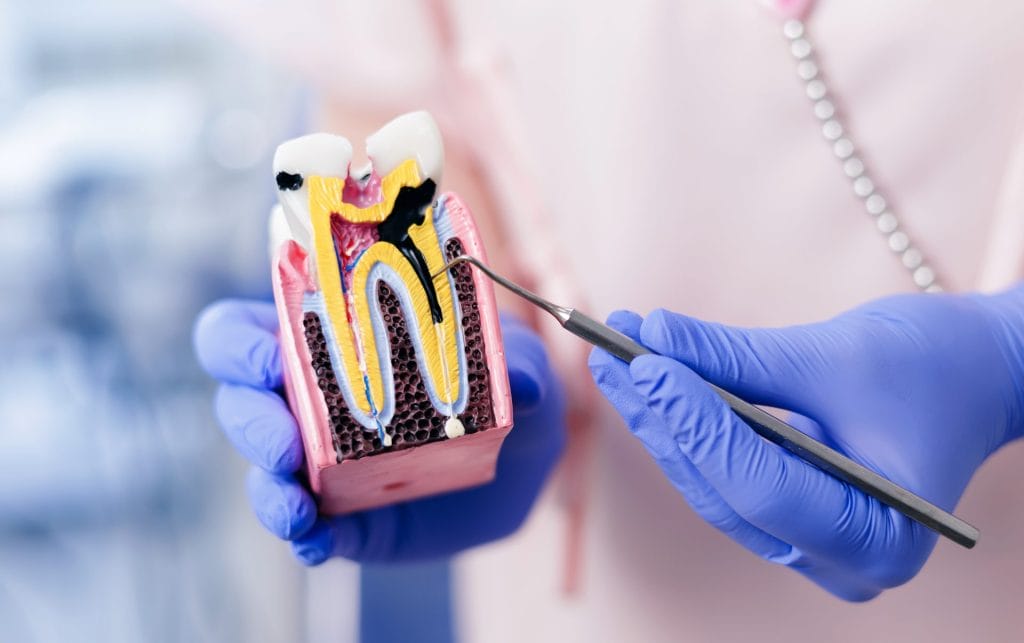
A small cavity is an early area of tooth decay limited to the outer layers of tooth enamel and nearby tooth structure. You might notice mild tooth sensitivity to sweet foods, cold drinks, or brushing. Some small cavities cause no symptoms at all, which is why regular exams support lasting oral health. When we find a small cavity early, we can use a conservative dental filling to seal it before it spreads deeper.
How do dental filling materials protect tooth structure?
Filling material replaces the softened area and seals out bacteria. By closing that doorway, dental restorations help stop the cavity from growing toward the nerve, which lowers the risk of root canal treatment later. The goal is a strong, long-lasting repair that blends with your bite.
When do you really need a filling?
Not every white spot or stain needs immediate dental treatment. Our team evaluates the extent of the decay, the location of your cavity, and your risk of cavities overall. Areas on back teeth that trap food and plaque usually benefit from a timely tooth filling. In some cases, we can monitor very shallow areas with good oral hygiene and fluoride toothpaste, especially if they are not soft. If the area is actively decaying, a dental filling prevents a larger fracture, tooth pain, or the need for root canal therapy.
Pregnant women, patients with frequent snacking on sweet foods, and those with dry mouth often have a higher risk of cavities. For these patients, addressing small cavities sooner is often the best way to protect long-term dental health. When decay is too deep to restore comfortably in one visit, a temporary filling may be used before the final restorative material is placed.
Different types of fillings and how we choose
At Creekside Family Dental, we provide the minimum amount of care needed to restore your oral health, while following the amount and types of treatment you desire. During your office visit, Dr. Leffler reviews different types of fillings, explains the advantages of each dental material, and recommends a type of dental filling that fits your needs.
- Composite resin and composite fillings: These resin fillings match your tooth color and bond to enamel for a conservative repair. Composite resin fillings work well for many front and back teeth. They rely on a composite material that supports tooth structure and offers good durability with proper care, though large areas can be less durable over time.
- Dental amalgam and silver fillings: Amalgam fillings are a combination of metals, sometimes called silver amalgam or dental amalgam fillings. Amalgam restorations are known for good durability, especially on back teeth. The advantages of amalgam include strength and longevity, which can be a fit for areas that bear heavy chewing.
- Glass ionomer: This dental material releases fluoride and can be helpful in certain situations near the gumline. Glass ionomer can be less durable under heavy bite forces, so we choose it thoughtfully.
- Porcelain fillings and types of indirect fillings: When a cavity is larger, an indirect filling such as porcelain fillings, gold inlays, or a gold filling can be made by a lab and bonded to the tooth. These different types of dental filling materials are customized for fit and strength. If the area is extensive, a gold crown or porcelain crown may be recommended.
Each type of filling has a role in high-quality dental restorations. We consider the extent of the decay, your bite, the location of your cavity, and the appearance you prefer before recommending a restorative material.
Are fillings safe in the United States?
Safety matters to our team. In the United States, filling materials are studied and monitored by organizations such as the American Dental Association and the Food and Drug Administration. Allergic reactions to dental materials are rare, and we discuss your history before recommending a specific type of filling. For pregnant women, we focus on comfort, prevention, and timing, and we select materials and dental treatment plans that reflect your preferences and your physician’s guidance. If you ever have questions about dental amalgam, composite resin, or any material, our dental professionals explain options clearly and kindly.
What happens during a filling appointment?
Your comfort comes first. During an office visit for a dental filling, we keep the area dry, gently remove softened decay, and place the recommended filling material. Composite resin is placed in layers and shaped to match your bite. For amalgam fillings, we compact the material and polish it for a smooth, functional surface. If the cavity is deep, we may place a liner to protect the nerve and reduce tooth sensitivity as you heal. When decay is extensive, we will discuss whether an indirect filling or future root canal may be more appropriate. If a tooth has already had a large replacement filling several times, a crown may be the more dependable option to support daily chewing.
How long do fillings last, and how do you care for them?
With proper care, tooth fillings can last a long time. Longevity depends on the dental material, your bite, and daily habits. Good oral hygiene, fluoride toothpaste, and regular exams are the best way to maintain fillings and protect neighboring teeth. Try to limit constant snacking on sweet foods, and call us if you notice roughness, a chip, or new tooth sensitivity. When a filling shows wear or changes at the edges, a timely replacement filling helps prevent fractures and keeps your natural teeth strong.
Insurance coverage for fillings varies. Many insurance plans include benefits for composite or silver amalgam filling in certain areas. Because plans differ, our team can help you understand your insurance coverage before treatment so you feel prepared and supported.
Why acting early prevents bigger problems
A small cavity can spread from enamel into the inner layers. Once decay reaches the nerve, pain and infection can appear, and root canal treatment or root canal therapy may be needed to save the tooth. Early care preserves more tooth structure, reduces the chance of cracks, and keeps treatment simple. Addressing issues when they are minor also protects your bite alignment and helps you avoid more complex dental restorations later.
What is the right type of filling for me?
Every mouth is unique. The right choice depends on the cavity’s size, the chewing forces in that area, aesthetic goals, and your preferences. Composite resin can blend seamlessly. Dental amalgam can be resilient in high-stress spots. Indirect options like gold inlays or porcelain fillings can strengthen larger areas. Dr. Leffler explains different types of fillings step by step so you can choose confidently.
Gentle, conservative care in Grove City
At Creekside Family Dental, we believe in honest recommendations that respect your goals. We explain findings, outline types of filling materials in easy terms, and answer your questions without pressure. If you think you might have a small cavity or you are unsure about a previous recommendation, schedule a considerate evaluation. We will help you decide on the right path with clarity and care.
Ready to learn more or book a visit?
Schedule an appointment today. We are here to help you protect your smile with conservative, thoughtful solutions that feel comfortable and make sense for you.