
 Meet Dr. Leffler
 Meet the Team
 Dental Membership Plan
 Insurance Information
 Patient Forms
 Online Bill Pay
 Your First Visit
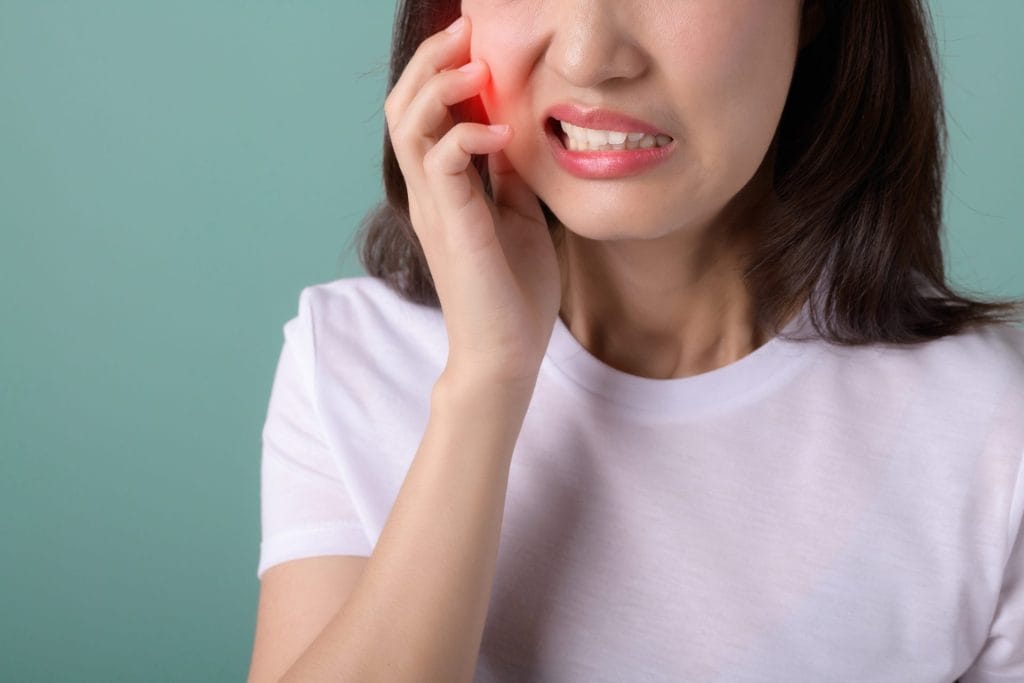
When the air turns crisp in Ohio, stepping outside can feel like a shock to your smile. At Creekside Family Dental, we believe in providing honest dentistry with explanations that make sense. If winter brings tooth pain or teeth sensitivity, you are not alone, and gentle solutions are available.
What is happening inside the tooth?
Think of the structure of the tooth like a protective shell around a core. The outer layer, tooth enamel, covers dentin. Dentin contains microscopic tubules that lead to the tooth root and nerves. If the tooth’s enamel thins from enamel wear or enamel erosion, cold temperatures can travel through those tubules and cause sharp pain. This is called dentin hypersensitivity.
Why do my teeth hurt in cold temperatures?
Cold air or cold foods can trigger fluid movement inside dentin tubules. That movement signals the nerve and creates discomfort. If gums have receded and cementum is exposed, the reaction can feel stronger. The result is quick, intense tooth pain that stops when the temperature returns to normal.
Common sensitive teeth causes in winter
- Gum recession along the gum line from brushing too hard, gum disease, or aging can expose the dentin.
- A cracked tooth, cavity, or tooth decay can open a pathway to nerves.
- Recent dental work such as fillings or crowns can temporarily increase sensitivity.
- Nighttime clenching from stress or tensing the jaw in the cold can strain teeth and gums.
- Medical condition factors like bulimia or GERD increase acid exposure, raising the risk of enamel erosion.
- Plaque buildup that irritates sensitive gums may heighten sensitivity signals.
Dr. Will Leffler and our team seek the most conservative methods for treating you and your family. We focus on the minimum amount of care needed to restore comfort and protect long-term health.
Everyday habits that can worsen sensitive teeth
- Choose wisely with acidic foods such as citrus fruits, soda, and sticky candy. These soften enamel.
- Limit constant snacking. Frequent snack breaks lower saliva’s natural buffering ability.
- Avoid biting into very cold foods like ice cream on extremely chilly days.
- Maintain proper oral hygiene. A soft toothbrush, gentle strokes at the gum line, and fluoride toothpaste support good oral hygiene without abrasion.
- If you notice sensitive gums or signs of gum disease, schedule Dental Exams so we can check for causes of sensitive gums and offer timely dental care.
Home strategies that feel gentle and work
- Use desensitizing toothpaste with potassium nitrate or stannous fluoride. These ingredients calm the nerve and rebuild a protective layer on exposed dentin.
- Keep a consistent daily oral hygiene routine. Brush twice daily, floss carefully, and consider a fluoride rinse at night.
- Sip water often. Hydration supports saliva, which helps remineralize enamel.
- Try a scarf or mask outdoors to warm the air you breathe and reduce triggers.
- Avoid extreme temperatures in beverages until sensitivity improves.
Many dentists and the american dental association agree that fluoride supports strong enamel. At Creekside Family Dental, we may recommend professional fluoride treatments or an in-office fluoride gel when appropriate. Fluoride acts like a shield on the tooth surface, reinforcing weak areas to resist decay.
Could my sensitivity signal a bigger issue?
Short-lived sensitivity is common, but ongoing discomfort can point to a cracked tooth, deep decay, or infection in the canals. If pain lingers, throbs, or wakes you at night, we need to examine the area. A root canal or a new crown may be the most predictable solution in certain situations.
This section shares general oral health topics and does not replace the advice of your dentist or professional advice from a qualified healthcare provider. If you have a medical condition or sudden changes, please call us.
How Preventive Dentistry helps reduce winter tooth sensitivity
Preventive Dentistry is a first step to comfortable care. During your visit, we check the gums, enamel, and the bite. We look for sensitive teeth causes, including enamel erosion, plaque buildup, or early cavity formation. Early, conservative dental treatments often stop small problems from becoming complex.
What we may recommend, based on your needs:
- Dental Exams and dental hygiene visits to remove plaque and review good oral hygiene techniques.
- Targeted fluoride treatments or prescription-strength toothpaste to protect the tooth surface.
- Carefully placed fillings if decay is present, using a conservative approach to preserve as much healthy enamel as possible.
- Nightguards for clenching or grinding. This protects chewing surfaces and reduces strain on teeth and gums.
- Evaluation of existing dental work such as old fillings or crowns that might be contributing to sensitivity.
We provide the minimum amount of care needed to restore your oral health, while respecting the amount and types of treatment you desire.
Understanding the science, simply
- Enamel: the outer cover that protects inner layers.
- Dentin: the layer with tiny tubules that conduct sensations.
- Cementum: a thin layer covering the tooth root near the gums.
- When enamel thins or gums recede, cold reaches the tubules more easily and causes discomfort.
This is why managing triggers and strengthening enamel reduces winter-related tooth sensitivity. It is also why professional guidance matters when sensitivity persists.
What about gum grafts or advanced options?
Some cases of gum recession respond best to a gum graft or a surgical gum graft performed by a specialist. When needed, we will discuss whether a referral makes sense for you. Our role is to guide you with clear information and coordinate care that fits your goals.
A conservative, comfort-first approach at Creekside
At Creekside Family Dental, we practice judgment-free care. We talk through options, from simple home changes to office solutions. We only recommend what you need. If a small filling restores comfort, we will not suggest more. If a nightguard protects your smile, we will explain how it works and how to use it.
If you are unsure where to begin, schedule a visit and let us assess your smile. We can pinpoint causes of sensitive teeth, review the structure of the tooth in easy terms, and share clear next steps that align with your preferences.
Ready for relief from winter triggers?
You should not have to avoid ice cream or sip lukewarm coffee all season. If cold air, cold foods, or hot-to-cold temperature changes spark sensitivity, we can help you find steady relief. Our team will listen, examine gently, and create a plan that feels comfortable and realistic.
Schedule an appointment today for a careful evaluation, fluoride gel or fluoride treatments when indicated, and conservative solutions that support lasting comfort.