
 Meet Dr. Leffler
 Meet the Team
 Dental Membership Plan
 Insurance Information
 Patient Forms
 Online Bill Pay
 Your First Visit
Spring often brings more social gatherings — graduation parties, Easter brunch, weddings, and patio dinners. While exciting, these events can also cause worry for denture wearers. If you’ve been dealing with loose dentures, you may find yourself concerned about your smile, speech, or the possibility of your prosthesis shifting at the wrong moment.
At Creekside Family Dental, we believe in honest dentistry. Dr. Will Leffler and our team take a conservative, patient-first approach, starting with understanding what’s happening, why it’s happening, and which options fit your goals. For many denture wearers, the good news is that solutions exist beyond constant paste and worry. One of the most confidence-restoring options is implant-supported dentures.
Why do loose dentures happen?
Loose dentures are common, often caused by fit issues and changes in your mouth over time. Traditional dentures may feel stable initially, but everyday wear and natural changes add up. The acrylic base can shift, materials can fatigue, and your gums may change shape.
The most common cause is bone resorption after tooth loss. Without natural teeth, the jawbone loses stimulation, leading to shrinkage over time. This changes the foundation the denture sits on, causing looseness, sore spots, irritation, and inflammation—even with proper cleaning and care.
Signs your dentures may be slipping
Sometimes changes are subtle; other times, they feel immediate, like your denture “floating” during chewing. If you notice any of the following, it’s worth scheduling a professional evaluation to check the fit of your dentures and the health of your gums:
- Dentures that rock, click, or lift when you talk
- Frequent use of adhesives, paste, reliners, or cushion products
- New sore spots or pressure areas that don’t resolve
- Discomfort during chewing or avoiding certain foods
- Food trapping under the denture or irritation from rubbing
- Changes in speech, especially during social events
- Dentures that once felt fine but now need constant adjustment
If any of this sounds familiar, you’re not alone. Many people first try temporary solutions like stronger adhesives or searching online for quick fixes, but the best results come from addressing the underlying cause.
Quick fixes: adhesives, relining, and their limitations
Denture adhesives can provide short-term stability, especially for special occasions. When used correctly, adhesives reduce movement and improve comfort. However, they shouldn’t be your only solution if your denture no longer fits well.
Relining is a more direct approach, adding material to the inside surface of the denture to better match your current gum contours. Hard relines use firm materials for longer-lasting results, while soft relines offer temporary comfort.
Think of it this way: adhesives help the denture “grip,” while relining helps the denture “match” your mouth again. Both can be effective in the right situation, but they work best when your denture and tissues are healthy.
Practical care tips:
- Clean your denture daily with products designed for dentures, not regular toothpaste, which can be too abrasive.
- Rinse after meals and soak in warm water (not hot) to avoid warping.
- If you rely on paste daily, let your dentist know so they can evaluate whether your denture needs adjustment or relining.
How implant-supported dentures create a secure fit
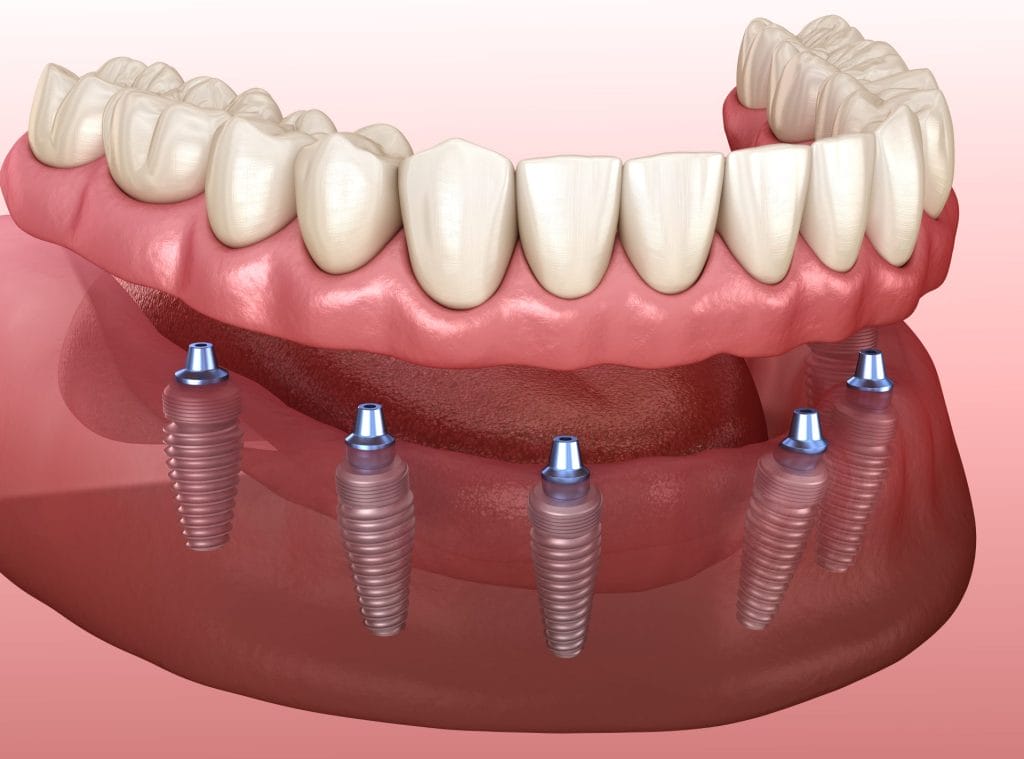
Implant-supported dentures use dental implants placed in the jawbone to anchor the denture. Implants act as stable supports, providing a secure fit during talking and chewing. Unlike traditional dentures that rely on suction and gum tissue, implant-supported dentures connect to implants, reducing movement and boosting confidence.
This approach is especially helpful for those struggling with traditional dentures that slide or create sore spots. It can also reduce the frustration of repeated adhesive use. While every case is unique, many patients appreciate the stability and natural appearance of implant-supported dentures.
Are loose dentures a sign you need implants?
Loose dentures often indicate changes in your foundation, typically related to jawbone resorption after tooth loss. During a professional evaluation, we assess your oral health, gums, jawbone, and current denture function. We also discuss your goals, timeline, and budget to ensure treatment fits your life.
Some patients find relief with adjustments, relining, or new dentures. Others prefer the security of implants for a snug fit during meals, work, and family gatherings. You don’t have to decide based on guesswork—our role is to provide honest recommendations and help you choose a plan you feel confident about.
What spring events reveal about your quality of life
Spring events often highlight the moments that matter: smiling for photos, laughing freely, and enjoying meals without worry. Loose dentures can quietly impact quality of life, leading to avoidance of certain foods, reduced speaking, or distraction during conversations.
We also consider health issues caused by rubbing and chronic inflammation. Persistent irritation and sores can make eating uncomfortable and may lead to wearing dentures less, affecting function and confidence. A stable, comfortable denture should support your routines, not interrupt them.
Implant-supported dentures vs. traditional dentures: a comparison
Here’s how each option is supported:
- Traditional dentures: Rest on gums, relying on suction and muscle control; may require adhesives; can loosen with bone resorption over time.
- Implant-supported dentures: Anchor to implants for stability; designed for a secure fit; reduce slipping and improve chewing confidence.
Both options can look natural when crafted well. The key difference is stability. If you’ve been living with looseness and constant adjustments, implants can make your denture feel dependable again.
What to expect at Creekside Family Dental in Gahanna, Ohio
At Creekside Family Dental, we listen first. If you visit us for concerns about loose dentures, we’ll evaluate your denture, gums, and fit. We’ll also ask about discomfort, sore spots, and how your denture performs during chewing and speaking. If implant-supported dentures are an option, we’ll explain the process, whether your current denture can be adapted, or if a new prosthesis is needed.
We understand that some patients may have other dental needs simultaneously. If you’re experiencing pain in a natural tooth, a cavity, or an infection requiring root canal therapy, we’ll address it with the same conservative approach. Root canal treatment and dentures solve different problems but both support long-term oral health when recommended appropriately.
A simple next step if your denture feels loose
If your denture is shifting, rubbing, or keeping you from enjoying spring plans, you don’t have to keep experimenting with adhesives or reliners. The right next step is a professional evaluation with a dentist who will provide clear options, whether that’s an adjustment, relining, new dentures, or implant-supported dentures.
Schedule an appointment with Creekside Family Dental in Gahanna, Ohio. We’ll help you understand the cause of looseness, discuss the most conservative path forward, and work with you toward a comfortable, confident smile for the season.