
 Meet Dr. Leffler
 Meet the Team
 Dental Membership Plan
 Insurance Information
 Patient Forms
 Online Bill Pay
 Your First Visit
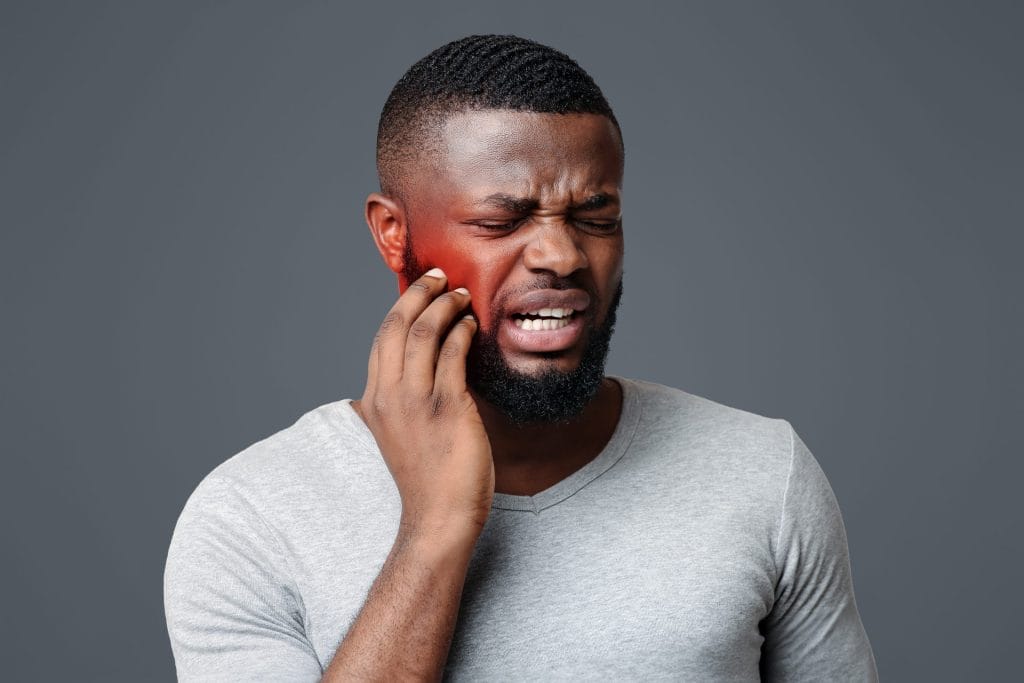
Summer travel is meant to be relaxing, but many people notice an unexpected side effect: jaw clenching. Whether it’s navigating traffic, gripping the wheel through construction zones, or holding tension during long drives, this habit can lead to jaw pain, headaches, and tooth sensitivity.
At Creekside Family Dental, we believe in providing honest dentistry. If travel is causing teeth clenching or jaw soreness, you deserve clear answers and conservative treatment options to protect your dental health. Let’s explore why road trips affect your jaw muscles, early signs to watch for, and how preventive dentistry (like a custom nightguard) can help.
Why does jaw clenching happen more during summer travel?
Road trips combine several triggers for bruxism (teeth clenching or grinding). Many people experience awake bruxism (daytime clenching) during stressful or focused activities, even if they don’t grind their teeth at night. Your temporomandibular joint (TMJ), jawbone, and surrounding muscles absorb this pressure, which can lead to discomfort.
Common travel-related causes of bruxism include:
- Driving stress: Merging, unfamiliar routes, and tight schedules can lead to clenching without realizing it.
- Posture and fatigue: Leaning forward or driving for hours can strain muscles, spreading tension to the jaw.
- Dehydration and caffeine: Coffee, energy drinks, and less water can tighten muscles and disrupt sleep.
- Disrupted routines: Late nights, different beds, and poor sleep hygiene may increase nighttime grinding.
- Travel anxiety: Even positive excitement can activate your nervous system, keeping your jaw tense.
This tension may feel like a strange vacation souvenir, but it can have real consequences for your teeth and jaw.
What jaw clenching can do to your teeth and jaw joint over time
Clenching is like an isometric workout for your jaw. While your teeth and jaw joint are strong, they aren’t designed to handle constant pressure. Over time, this can lead to tooth wear, cracked edges, and sensitivity, especially on the lower teeth where force often concentrates.
Some people develop symptoms of temporomandibular disorder (TMD), such as clicking, limited jaw movement, or soreness after driving. Severe clenching can even cause tooth damage requiring dental work like bonding or crowns.
Frequent clenching during travel can also become a learned habit, carrying over into daily life and creating a persistent pattern.
Are you clenching while awake or grinding at night?
Bruxism includes both clenching and grinding, with different patterns. Awake bruxism often involves daytime clenching with little movement, while sleep bruxism includes nighttime grinding and rhythmic muscle activity.
| Habit | Common clues | Typical timing |
| Daytime clenching (awake bruxism) | Tight jaw muscles, tension during focus, jaw pain later in the day | Driving, working, screens, stress |
| Nighttime grinding (sleep bruxism) | Morning jaw soreness, dull headache, tooth sensitivity, “gnashing” reported by a sleep partner | During sleep |
Both types can cause tooth wear and stress on the TMJ, and many people experience a mix, especially during travel.
What are the signs of bruxism while traveling?
You don’t need to wait for severe symptoms to take action. Early signs of bruxism include:
- Jaw soreness or pain after driving
- Morning tightness around the jaw joint or temples
- New or worsening tooth sensitivity
- Flattened or chipped tooth edges
- Dull headaches, facial fatigue, or ear discomfort
- Temporary bite changes after waking
- A sleep partner noticing nighttime grinding
These symptoms can overlap with other conditions, so it’s wise to consult a dentist for an evaluation.
Could a sleep disorder like obstructive sleep apnea be involved?
Can jaw clenching be connected to sleep apnea?
Yes. In some cases, sleep bruxism occurs alongside obstructive sleep apnea. Poor sleep quality, frequent waking, and airway strain can increase bruxism risk. If you experience snoring, daytime fatigue, or breathing concerns, mention them during your dental visit. Addressing sleep apnea benefits both your overall health and your teeth.
Travel-friendly relaxation techniques to reduce daytime clenching
At Creekside Family Dental, we take a conservative approach, starting with simple steps that can make a big difference. While a nightguard protects against nighttime grinding, you can reduce daytime clenching with these travel-friendly techniques:
- “Lips together, teeth apart” check-in: Your teeth should rest slightly apart, with your tongue relaxed.
- Set reminders every 30–60 minutes: When they go off, drop your shoulders and relax your jaw.
- Stay hydrated: Water supports muscle function and reduces tightness caused by dehydration.
- Take movement breaks: A quick walk at a rest stop can ease full-body tension that affects the jaw.
- Be mindful with gum and chewy snacks: Overworking your jaw during long drives can increase soreness.
These habits won’t cure severe cases but can reduce stress on your TMJ and jaw muscles during high-stress travel days.
Nightguards and mouth splints: simple protection for nighttime grinding
If clenching occurs during sleep, a custom nightguard is a straightforward solution. Nightguards create a protective layer between your upper and lower teeth, preventing enamel wear and reducing jaw muscle force.
At our office, Dr. Will Leffler evaluates signs of bruxism, such as worn or cracked teeth, and listens to your symptoms. If bruxism is diagnosed, he often recommends a custom-fitted nightguard to protect your teeth, limit wear, and prevent future dental work.
Are store-bought mouth guards enough?
Over-the-counter guards may seem convenient, but they have drawbacks. Many are bulky, one-size-fits-all, or poorly molded, making them uncomfortable and less effective. An uncomfortable guard is harder to wear consistently, which is key for long-term protection.
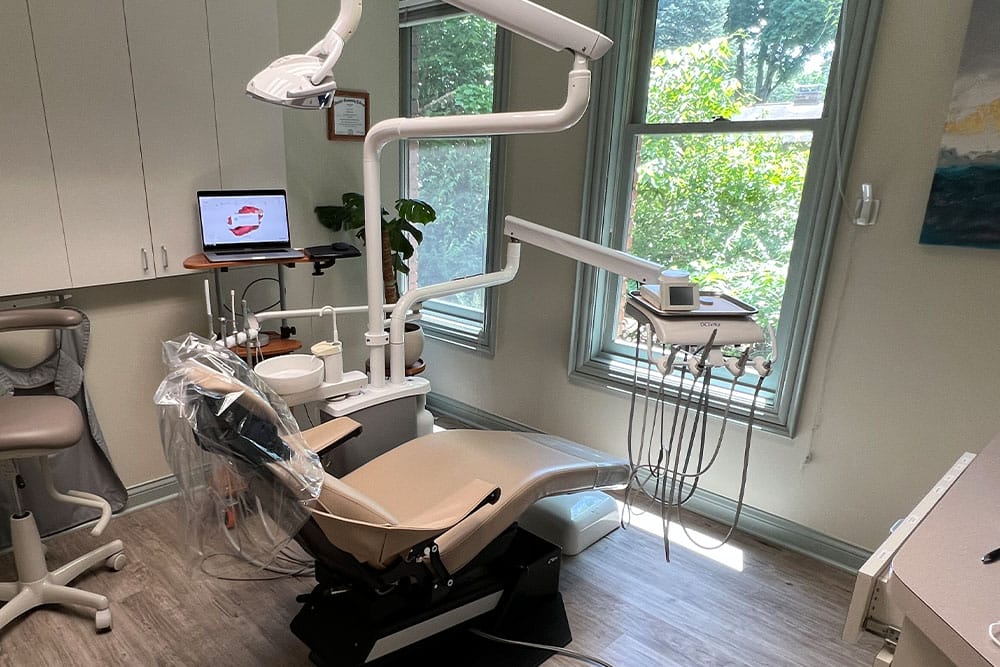
Creekside Family Dental offers personalized nightguards for Gahanna, OH patients using digital scans for a customized fit. A slim, well-fitting guard feels more natural, and we monitor tooth wear and symptoms during preventive visits.
What to expect at a preventive dentistry visit for clenching and tooth wear
A dental exam does more than confirm clenching—it helps identify causes and spot underlying issues. For example, bruxism can sometimes be linked to genetic factors, medication side effects, or sleep disorders. During your visit, we’ll examine your teeth for signs of grinding, discuss symptoms, and review protective options like a custom nightguard. We’ll also suggest supportive habits, as improving sleep quality and hygiene can help many patients.
When should you call a dentist?
If clenching is occasional and mild, start with awareness and relaxation techniques. However, if you notice jaw pain, ongoing tooth sensitivity, visible tooth wear, or a sleep partner reporting grinding, schedule an evaluation. Severe cases deserve prompt attention, as tooth damage can progress quietly before becoming painful.
At Creekside Family Dental, we provide the minimum care needed to restore your oral health while respecting your treatment preferences. If you’re interested in a conservative plan to protect your teeth and jaw during travel season, we’re here to help.
If you live in or around Gahanna, Ohio, contact Creekside Family Dental to schedule an exam and discuss nightguards as part of your preventive dentistry plan.